
Beauty, aesthetics and wellness franchises in Spain: opportunities, challenges and trends
Madrid, May 7, 2025
The sector of beauty, aesthetics and wellness franchises in Spain is
consolidates as one of the most dynamic and attractive within the model of
franchised business. With an increasing demand for care services
personal, driven by social trends and technological advances,
this vertical offers opportunities for both entrepreneurs and
investors. However, it faces significant challenges related to
the high turnover of customers, the dependence on human talent and the
the need for constant innovation. This article developed by the
Franchise Innovation Summit
analyzes in depth the market, the main brands, the profiles of
franchisees, the opportunities,
the challenges, emerging trends and the impact of proximity on the
sector, providing a strategic guide for those who wish to franchise
successfully in this area.
Market size
The beauty, aesthetics and wellness sector in Spain generates a significant volume of business, with constant growth driven by the increase in spending on personal care. According to data from the Spanish Franchise Association (AEF), the aesthetics and beauty sector has more than 100 franchised brands and approximately 3,900 operating premises, producing an annual turnover of more than 750 million euros and generating about 10,000 direct jobs. This segment is the second in number of operating premises within the franchise system in Spain, only behind the hospitality industry.
In broader terms, the perfumery and cosmetics market in Spain and Portugal reached 6,708 million euros in 2022, with a year-on-year growth of 10.6%, highlighting the skin care segment (31.4% of the total). Within the franchised scope, the most relevant categories include hairdressers, nail centers, laser hair removal, spas, and advanced aesthetic clinics, with an increasing focus on non-invasive and personalized treatments.
Main companies and franchised brands
The sector has a wide diversity of brands that operate under the franchise model, ranging from specialized proposals to comprehensive beauty centers. Some of the most relevant teachings are highlighted below:
Provalliance Group: is the largest operator of hairdressing salons in Europe, with an outstanding presence in more than 30 countries and a network that exceeds 3,500 salons worldwide. In Spain, it has more than 200 centers, consolidating its position as a market leader in the beauty and hairdressing sector. Llongueras, Jean Louis David, Frank Provost, The Barber Company, Carlos Conde they are the brands that allow the Provalliance Group to adapt to the diverse needs and preferences of customers in different markets,
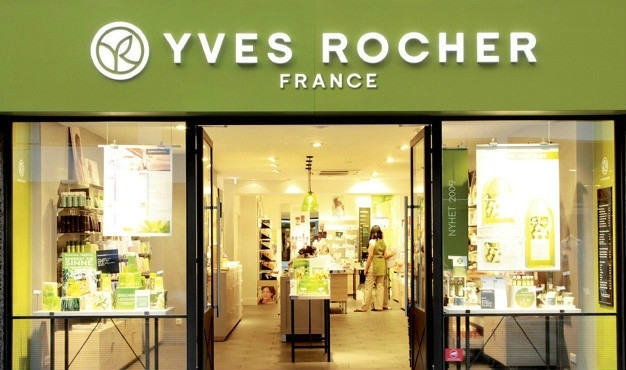
Yves Rocher: pioneering French brand in vegetable cosmetics, founded in 1959, which has consolidated its international presence with more than 1,600 stores in 115 countries. In Spain, it has a solid franchise network that combines the sale of beauty products with aesthetic services, offering a comprehensive customer experience.
Beauty Max: Leader in comprehensive aesthetics, with presence in Europe and America, specializing in hairdressers, barbershops, nails and laser hair removal. It stands out for its technological support and continuous training.
d-nails: it is an internationally recognized successful business model with a proven experience of more than 15 years in more than 8 countries. With their EcoBeauty philosophy, which is reflected in each of their actions, they have a strong commitment to beauty and health, both of their clients and professionals, as well as to environmental protection.
No + Hair: Specialist in IPL and diode laser hair removal, with more than 12 years of experience and an accessible business model based on competitive prices.
Nails Factory: With more than 150 franchises in Spain, it focuses on nail care and decoration, with a low initial investment (from 22,900 euros) and high profitability.
Dermo + Esthetica: Innovative in laser hair removal, tattoo removal and non-invasive treatments, offers financing of 100% of the initial investment.
Depilattia Spa: Combines hair removal (electric, laser, thread) with spa-relax services, facial and body aesthetics, and hairdressing.
Sundara: Pioneer in hair removal with thread, also offers manicure, pedicure, massage and bio-certified cosmetics.
Lashes &More: Specialized in eyelash extensions, microblading and eyebrow design, with more than 20 establishments in Spain.
The Beauty of the Soul: Ecological and vegan franchise, focused on hair removal with thread and organic cosmetics, consolidated since 2008.
Unique Centers: Specialized in laser hair removal and aesthetic medicine, with more than 10 years of experience.
These brands reflect the diversity of the sector, which combines low-cost proposals with premium services, adapting to different consumer segments and locations.
Franchisee profiles
The franchisees in this sector are varied, but they usually fit into two main categories:
These brands reflect the diversity of the sector, which combines low-cost proposals with premium services, adapting to different consumer segments and locations.
Entrepreneurs passionate about beauty: People, often women, with a background in aesthetics, hairdressing or wellness, who are looking for self-employment or financial independence. This profile values the continuous training and support of the central franchisor, as in the case of Dermo + esthetica, which offers comprehensive support.
Investors: Individuals or groups with financial capacity who seek profitability without necessarily getting involved in day-to-day management. Brands such as Beauty Max or No + Vello attract this profile by delegating operations to teams trained by the central.
The sector does not require large premises (often 15-75 m2 are enough), which reduces barriers to entry. The initial investment varies from 15,000 euros for nail franchises such as Hello Nails up to 150,000 euros for comprehensive centers such as Beauty Max. In addition, 60% of the companies in the sector are SMEs with family structures, which favors flexibility and close treatment.
Opportunities in the sector
Growing demand for personal care: Spain is the first European country in concern for physical appearance, with 400,000 cosmetic surgery interventions per year and an expenditure of 175 million euros on these procedures. The demand covers both women and men and young people, expanding the market.
Low initial investment: Franchises such as Nails Factory or Hello Nails require investments from 15,000-25,000 euros, ideal for self-employment or investors with limited budgets.
Proven models: The support of established brands reduces the risk, offering training, marketing and advanced technology, as in Dermo + estetica or Beauty Max.
New niches: Specializations such as hair removal with thread (Sundara), wood therapy (Maderoesthetic) or vegan aesthetics (The Beauty of the Soul) capture specific segments.
International Expansion: Brands such as Beauty Max and No + Vello operate in multiple countries, offering global growth opportunities.
Sectoral challenges
Despite its appeal, the sector faces critical challenges:
High customer turnover: Loyalty is a challenge due to competition and the search for low prices. Franchises must invest in personalized experiences and loyalty programs to retain customers.
Dependence on Tumano talent: The staff is the greatest risk and asset. The high turnover of employees, the need for continuous training and the demand for technical and customer service skills are crucial. Brands such as Provalliance stand out for their training programs, but talent management remains a challenge.
Intense competition: The proliferation of independent centers and low-cost chains puts pressure on margins. Franchises must be differentiated through technology, quality and digital marketing
Constant innovation: The rapid evolution of treatments (radiofrequency, cavitation, diode laser) requires continuous investments in equipment and training.
Regulation and safety: Aesthetic treatments, especially medical-aesthetic ones, are subject to strict regulations, which requires rigorous compliance to avoid penalties.
Emerging trends
The sector is constantly evolving, driven by the following trends:
Non-invasive treatments: The demand for procedures such as radiofrequency, cavitation and diode laser is growing due to their effectiveness and minimal recovery, favoring brands such as Dermo + aesthetics.
Personalization: Customers are looking for treatments tailored to their needs, from skin analysis to specific plans, which drives the adoption of digital tools for monitoring and loyalty.
Sustainability and Ethics: Franchises such as La Belleza del Alma and Kou Kumu lead with vegan, organic and non-animal tested products, attracting conscious consumers.
Digitization: Social media marketing and digital appointment and customer management are essential. Almost all reference brands integrate technology to optimize processes and improve the customer experience.
Proximity and Accessibility: Centers in easily accessible neighborhoods and shopping centers are key, especially for quick services such as manicures or hair removal, as in the case of Nails Factory.
The importance of proximity
Proximity is a strategic factor in the aesthetics and wellness sector. Consumers value the convenience of centers close to their homes or workplaces, especially for recurring services such as manicure, pedicure or hair removal. Many of these brands thrive in locations with high pedestrian traffic, such as shopping malls or main streets, with small-sized premises (15-40 m2) that reduce operating costs. This proximity strategy not only increases customer acquisition, but also encourages repetition, crucial in a sector with high turnover.
Keys to Successful Franchising: Managing Talent as a Priority
The title “Your staff is your biggest risk: keys to successful franchising in aesthetics” encapsulates a fundamental principle. The success of a franchise largely depends on the quality and stability of its team. The following are key strategies to overcome this and other challenges:
Investing in continuous training: Updating programs, new techniques, apparatus and instrumentation ensure that the staff masters the latest techniques and offers an exceptional service.
Encourage talent retention: Offering incentives, a positive work environment and growth opportunities reduces employee turnover.
Personalization and customer experience: Implement analysis and CRM technologies to adapt treatments and improve customer satisfaction.
Differentiation through innovation: Adopting state-of-the-art equipment and novel treatments to stand out from the competition.
Effective digital marketing: Investing in social networks and local SEO to attract customers in proximity areas.
Efficient management: Use management systems to optimize appointments, billing and stock control.
Conclusion
The beauty, aesthetics and wellness franchise sector in Spain offers a promising outlook, with an expanding market, consolidated brands and opportunities for various franchisee profiles. However, success requires overcoming challenges such as high customer and employee turnover, intense competition and the need for constant innovation. The trends towards non-invasive treatments, personalization, sustainability and digitalization are redefining the sector, while proximity is consolidated as a key factor to attract and retain customers. To successfully franchise, brands must prioritize human talent management, invest in technology and offer exceptional experiences that build consumer loyalty. With a strategic approach, this sector will continue to be a “gold mine” for entrepreneurs and investors.