
Supermarkets in franchise: proximity as an engine of expansion
Madrid, August 13, 2025
The franchise system in Spain is experiencing a decade marked by capillarity: more brands, more locations and, above all, more convenience formats. Within this map, the food and supermarket sector remains the first major block by revenue, sustained by replenishment purchases, the rise of “ready to eat” and expansion into neighborhoods and medium-sized municipalities where franchising provides speed and proximity.
Over the past ten years, the sector has grown its network and brands despite adverse cycles, marked by the pandemic, inflation and high energy costs. The trend seems clear: fewer large-format stores are opening and more neighborhood convenience stores, with more contained unit investments and returns supported by high turnover and adjusted operating costs. The franchise model, together with cooperative models, has been the lever that has allowed brands that traditionally operated at national scale to reach peri-urban and rural Spain, where the franchisee’s knowledge of the micro-market is a differentiator.
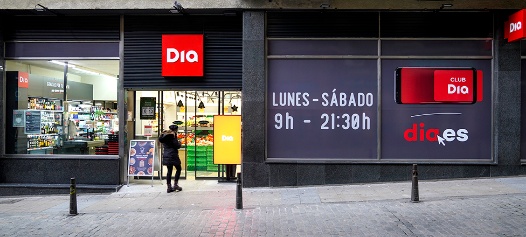
Among the leading brands, Grupo DIA has reinforced its convenience proposal with a very capillary network. Everything points to its roadmap for the coming years relying again on openings under this model and improving its neighborhood commercial proposal, focused on boosting its own brand, fresh products, and customer loyalty. Carrefour, for its part, has made Carrefour Express the spearhead of proximity growth: quick-assembly stores with strong omnichannel leverage (click & collect, last mile) that favors customer traffic pull.
EROSKI maintains a consistent franchise strategy with City and Rapid formats that combine price, local product and convenience, with a fairly sustained flow of annual openings. Likewise, Alcampo has accelerated its proximity presence (Mi Alcampo/City) following the reconfiguration of its network and recent corporate operations, and has been promoting franchising in locations where its large hypermarket model doesn’t fit.
At the regional level, La Despensa Express (Grupo Eco Mora) well illustrates the role of regional-scope chains: local know-how, agreements with nearby producers and selective expansion in 200–400 m² formats.
It’s not just about network size. If we look at competitive levers, chains that grow best in franchising share four vectors: operational efficiency (plug & play stores, optimized assortment and agile restocking); their own brand with a clear price-quality value proposition; fresh and “ready to eat” as incremental traffic during lunch and dinner slots, and profitable omnichannel, prioritizing pickup and dense delivery methods.
Future challenges include sustaining margins in an environment of still quite high fixed costs, especially in energy, transportation, rent and salaries, managing in-store talent and meeting regulatory requirements in sustainability. Added to this is competitive pressure from “discount” in basket price and from hospitality in immediate consumption.
In parallel, organized restaurant trends are fully impacting food retail. QSR (“Quick Service Restaurant”) and specialty concepts are growing, delivery is normalizing with a more profitable mix between take-away and click & collect, and the customer relationship is being digitalized through kiosks, apps, advanced loyalty and retail media. This convergence means that supermarkets are consolidating “grab & go” zones and prepared food corners with restaurant standards: high midday turnover, short assortments, own recipes and an increasingly gastronomic look at the product.
What can we expect in the next cycle? Well, greater franchised proximity, with selective openings in high-density neighborhoods and municipalities of 5,000–30,000 inhabitants, a rationalization of food e-commerce toward contained-cost models and an own brand that will continue gaining share in key categories. In this field, DIA, Carrefour Express, EROSKI, Alcampo and La Despensa Express start with an advantage due to their capillarity and accumulated experience operating with franchisees.
For this reason, franchising will continue to be the preferred vehicle for growing in food and supermarkets in Spain. The difference will be marked by execution —simple manuals, training and franchisee support— and each group’s ability to turn convenience into experience, not just proximity.