When an SME plans well, it stops putting out fires and starts using hiring to grow better
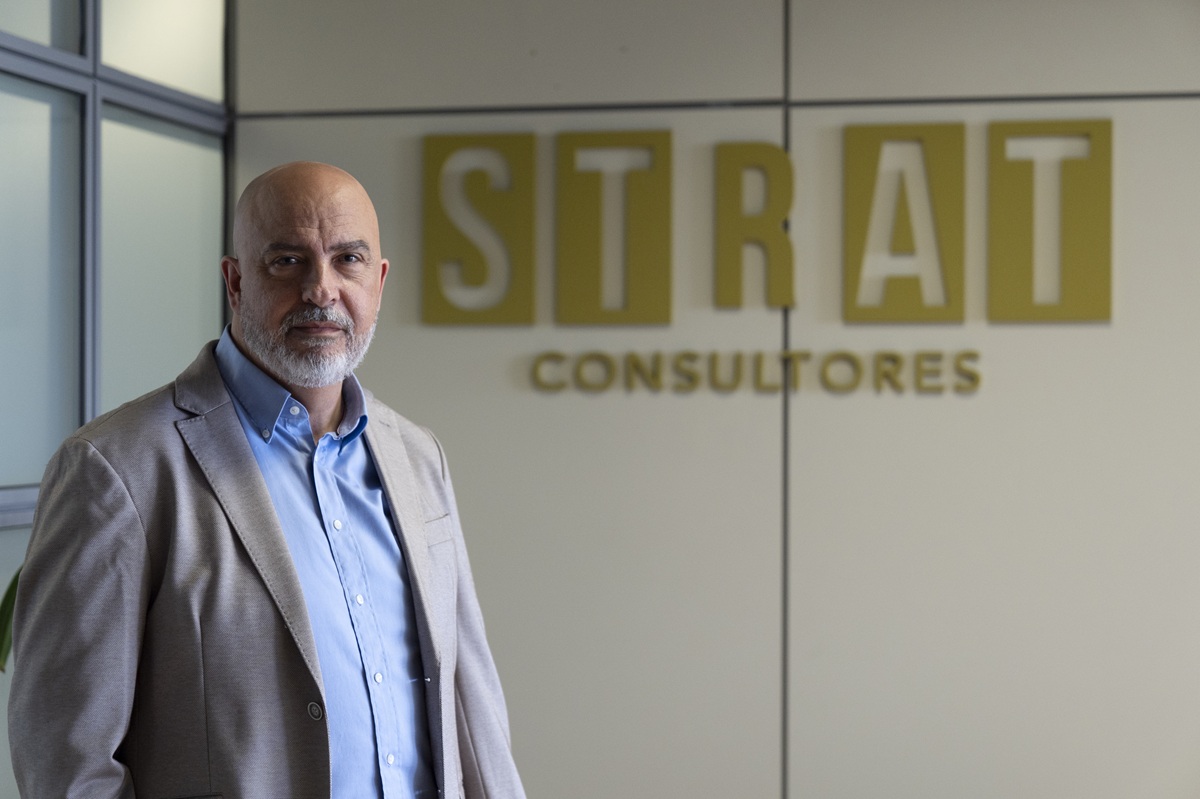
Interview with Félix Ramiro, managing partner of STRAT Consultores
Madrid, April 30, 2026
In a context where hiring remains one of the most delicate decisions for SMEs, more and more companies are seeking formulas to reduce risks and optimize costs. In this interview, STRAT proposes a change of approach: leaving behind improvisation and turning hiring into a strategic growth tool. Their model, based on planning before bringing in talent and accessing little-known public aid, promises to transform the way self-employed workers and small businesses make employment decisions. We speak with their team about common mistakes, missed opportunities and how to turn a hire into a competitive advantage.
STRAT doesn’t present itself only as a subsidy manager, but as a partner in workforce planning. What changes for an SME when it stops improvising hires and starts planning them strategically?
Almost everything changes.
When an SME improvises, it usually hires because it’s in a hurry, because it’s missing someone or because the workload is pressing. The problem is that this way many decisions are made late and without margin.
When an SME plans well, it can review beforehand which profile suits it best, when to hire and whether that hire can come accompanied by aid worth thousands of euros. Instead of hiring first and asking later, it decides with more margin, more control and less risk.
In short: you stop putting out fires and start using hiring as a tool to grow better.
Many companies don’t know they can receive direct aid for hiring. What’s the biggest mistake you see in SMEs and self-employed workers when it comes to taking advantage of these opportunities?
The biggest mistake is arriving late.
Many companies first sign the contract and afterward ask if there was any aid available. And by then, many times, they’ve already lost the opportunity.
It also happens a lot that a business owner thinks: “This is surely for big companies” or “surely I don’t qualify.” And the reality is that many aids and bonuses are precisely designed for small businesses that are going to bring on staff.
That’s why the most costly mistake usually isn’t hiring badly. It’s usually not reviewing in time a possibility that could mean several thousand euros in savings or income.
Your proposal is based on “we only get paid if the subsidy is obtained.” How does this model influence client trust and your commitment to results?
It has a big influence because it conveys something very simple to the client: we’re not asking them to take a gamble.
For an SME, paying upfront for something uncertain generates distrust. On the other hand, when you only get paid if the result is achieved, the company understands that you’re both moving in the same direction.
And that also forces us to be very meticulous. If we see that a hire can’t come with aid, there’s no interest in forcing it. Our model makes the focus be on what can really end up as an economic result for the client.
In summary: trust grows because the client sees that our commitment isn’t to sell them a service, but to get them a result.
Beyond economic savings, what real impact does your work have on a company’s growth capacity and competitiveness?
It has a very real impact, because a company that hires better has more room to grow.
If an SME can recover part of the cost of a hire, or reduce its labor burden for a period, it can direct that breathing room to other areas: sales, structure, expansion, team or cash flow.
A simple example: an annual labor cost for an average profile can be 22,000 euros. If for that hire you receive 12,000 euros in your account, your cost is reduced by more than half in that first year.
Sometimes a single well-planned hire doesn’t just mean savings. It means being able to take a step the company had been delaying.
Another easy example: my company wants to have a presence in Andalusia, to sell our products, but our headquarters is in Madrid. If I look for a sales profile in that region, and I select a person over 45, I’ll receive 15,000 euros if it’s a man and 17,000 euros if it’s a woman. I simply open a CCC in any city (which doesn’t have to be an office), and I have the first year of that salesperson’s cost, which normally takes months to become profitable, at a very reduced cost.
That’s why the value isn’t just economic. It’s strategic: it gives more capacity to move, to decide and to grow with more security.
What profiles or types of hiring tend to generate the greatest subsidy opportunities today for companies in Spain?
Although it depends a lot on each autonomous community and each call for applications, there are several profiles that frequently recur in aid and bonus lines:
- Under 30 years old
- Over 45/50 years old
- Women
- Vulnerable groups.
Translated into SME language: not all hires have the same economic potential, and looking at this beforehand can significantly change the final cost of bringing someone on.
If you had to sum up in one idea why a company should talk to STRAT before hiring their next employee, what would it be?
Because labor costs are high in our country, and BEFORE that hire, they can have an expert team that guarantees them thousands of euros, through aid that belongs to them and that another company will take if it isn’t requested.
That money is there, we’ve all paid for it, if you don’t recover it, it will be lost or taken by others.