Not every business that works is ready to franchise
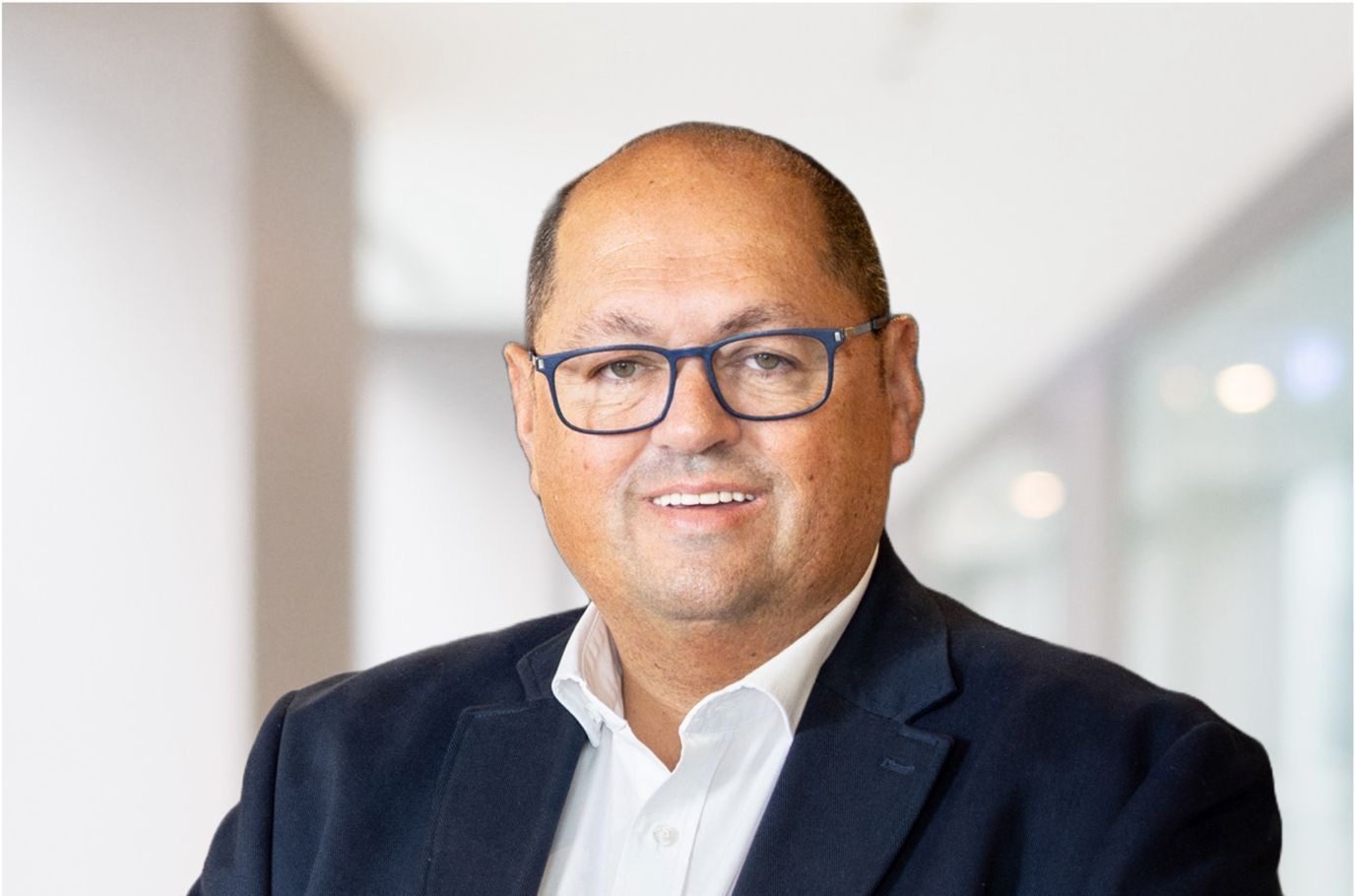
Interview with Domingo Esteves, co-Founder FWD Advisor and coordinator of the Expert Committee of the Spanish Retail Association AER
Madrid, May 28, 2026
Many brands start looking for franchisees before having built a truly consistent, replicable and scalable model.
Franchising continues to be one of the most powerful tools for growing and expanding a business. It allows accelerating openings, gaining capillarity and developing brand with a much more efficient investment than other growth models.
But precisely for that reason, franchising demands much more than having an attractive concept or a first unit working well.
Networks that manage to grow solidly usually have something in common: they understand that franchising doesn’t just consist of opening more locations, but of building a model capable of replicating consistently across different teams, locations and operators.
And that’s where the difference between growing and building a network prepared to scale really begins.
Growing is not the same as being scalable
In many cases, a business can work very well because the founder is very present in the operation, because the initial team is very involved or because the complexity is still relatively low.
But when the model starts to grow, new needs appear: clear processes, a broader team structure, structured training, operational control, support capacity and consistency between units.
That’s why one of the most important decisions before franchising is understanding whether the business’s success depends mainly on certain people or whether there really is a system capable of functioning stably and replicably.
The brands that scale best have usually dedicated time to understanding which elements truly explain their success and which are essential for maintaining the model’s coherence as the network grows.
The founder stops being an operator to become the architect of the system
When a company starts franchising, the founder’s role also changes.
It’s no longer just about managing a location or a specific operation well. The challenge becomes building a model that other people can execute profitably and consistently.
That requires professionalizing many aspects of the business: defining clearer standards, structuring processes, starting to measure and truly understand which KPIs explain how the business works, improving training and developing capacity to support the network.
The brands that work best in the long term usually dedicate time first to building that base before accelerating openings.
Because in franchising, support capacity is almost as important as the concept itself.
The most solid networks usually grow with more judgment than haste
In the short term, growing fast can seem very attractive. But growing fast and building a solid network are not always exactly the same thing.
Brands that manage to consolidate in the long term usually pay a lot of attention to elements that sometimes seem less visible: consistency of the customer experience, the real profitability of units, franchisee selection or the capacity to maintain homogeneous standards throughout the network.
They also understand that each new opening should not weaken the model, but reinforce it.
That’s why, before accelerating expansion, many companies dedicate time to validating the model in different locations, adjusting processes and ensuring that the central structure can adequately support growth.
Franchising well is building a network prepared to last
Franchising can be an extraordinary growth tool when there is a model that is truly prepared to replicate.
It’s not just about opening more units, but about building a network capable of maintaining coherence, profitability and execution capacity as it grows.
And that’s probably one of the most important keys.
The most solid networks are usually not the ones that sell franchises fastest, but the ones that first manage to deeply understand how to make their model scalable without losing what made it work in the first place.
The great success of a franchisor is the success of its franchisees.
Domingo Esteves
Domingo Esteves is Retail Senior Advisor and Co-Founder of FWD Advisors, a firm specialized in retail, consumption and profitable growth. He has more than 30 years of international experience in management and leadership positions in retail and organized restaurant sector companies. He is currently also Coordinator of the Expert Committee of the Spanish Retail Association (AER), where he participates in initiatives related to strategy, transformation and evolution of retail.